
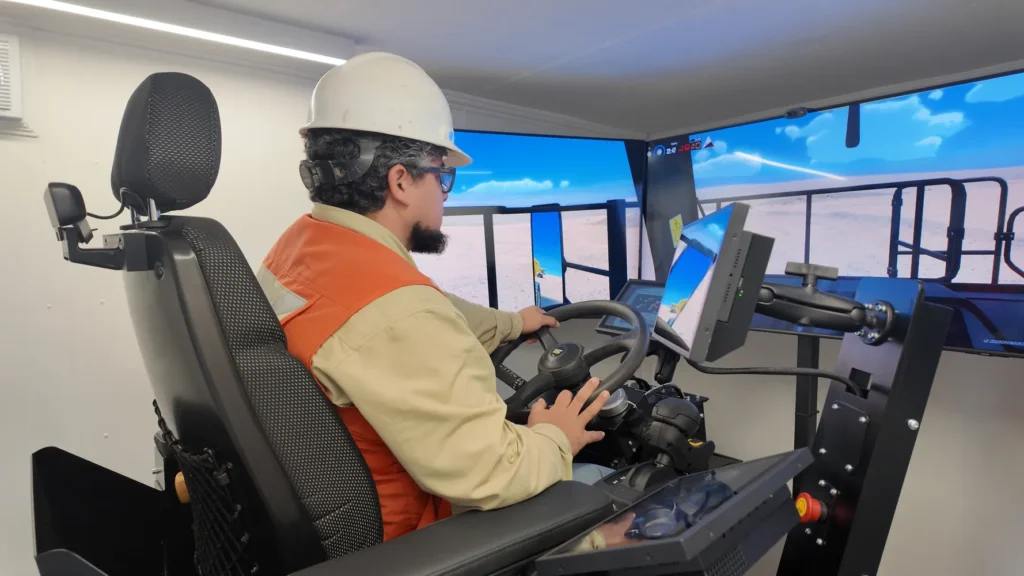
Modern construction projects demand skilled operators. Efficiency. Precision. Safety. Training methods must keep up with equipment complexity. Traditional on-site learning often exposes beginners to risk and costly mistakes. A dozer simulator changes this approach. The recent launch by VISTA Training reflects a growing need for controlled, realistic, and scalable training solutions.
From a user perspective, the value is immediate. New operators can practice without fear of damaging equipment. Repeated drills build muscle memory. Controls become familiar. Reaction time improves. Mistakes become learning moments instead of financial losses. This environment reduces pressure while increasing confidence.
Simulation technology replicates real job site conditions. Terrain variation. Load response. Blade control. Machine balance. Operators experience scenarios similar to actual operations. Slopes. Rough ground. Tight spaces. Each task requires coordination and awareness. These conditions help operators understand machine behavior before entering the field.
One key advantage is safety training. Dozer operation involves heavy machinery with high risk. Poor handling can lead to accidents or equipment damage. Simulation allows operators to face challenging situations in a controlled environment. Emergency responses can be practiced repeatedly. Risk awareness improves. Safety habits become consistent.
Another important factor is cost efficiency. Physical training consumes fuel. It causes wear on undercarriage components such as track chains, rollers, and sprockets. It also requires supervision and scheduling of real machines. A simulator reduces these expenses significantly. Training can be repeated without additional operating cost. This is especially valuable for companies managing large fleets.
For fleet owners and contractors, operator consistency is critical. Different skill levels often lead to uneven productivity. A standardized training platform helps align operator performance. Each trainee follows the same learning path. Skill assessment becomes easier. Performance tracking becomes more accurate.
Advanced simulators also provide data feedback. Operators receive performance metrics. Accuracy. Efficiency. Reaction time. This data helps trainers identify weaknesses. Focused improvement becomes possible. Over time, this leads to a more skilled workforce and better job site output.
High-quality training also protects equipment investment. Proper operation reduces unnecessary strain on hydraulic systems, engine components, and undercarriage parts. Smooth operation extends component lifespan. Maintenance intervals become more predictable. Downtime decreases. Productivity increases.
The launch of a modern dozer simulator reflects industry progress. Training is no longer limited to field exposure. It combines technology, safety, and structured learning. Companies that adopt such tools gain an advantage in workforce development and operational efficiency.
For businesses looking to improve operator skills, reduce risk, and optimize equipment usage, investing in advanced training solutions is a practical step. Combined with reliable machinery and quality parts, it creates a complete system for long-term success.
If you are planning to upgrade your training process or improve operator performance, this is a strong opportunity to explore. Feel free to reach out if you need more details or have any questions!
Dozerpart Operation Team
2026.3.22