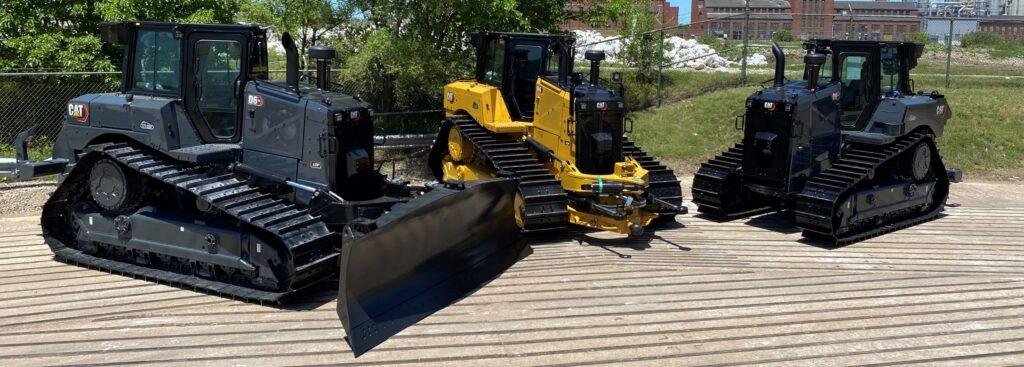
Large-scale infrastructure spending is reshaping construction markets worldwide. Governments continue to fund highways, rail corridors, ports, airports, and urban renewal programs. These projects demand machines that deliver pushing power, durability, and reliability under heavy loads. As a result, dozers are seeing renewed demand across both developed and emerging markets.
For contractors, dozers remain essential at the earliest project stages. Site clearing, grading, embankment formation, and road base preparation all rely on consistent pushing force. Infrastructure schedules are tight. Delays cost money. Machines that handle continuous operation without failure become critical assets rather than optional tools.
Urban projects create unique challenges. Limited space. Dense ground conditions. Strict noise and efficiency requirements. Dozers equipped for precise control allow operators to work closer to structures while maintaining productivity. Proper undercarriage design helps reduce vibration and uneven wear, which is especially important on paved or mixed-surface job sites common in cities.
Transport projects add another layer of demand. Long highway sections and rail foundations require repetitive, high-load cycles. Tracks, rollers, idlers, and sprockets face constant stress. Contractors increasingly focus on component quality and service life rather than upfront machine cost. Longer-lasting undercarriage parts reduce downtime. Fewer stoppages keep projects on schedule.
Public funding also changes buying behavior. Government-backed projects often span several years. Contractors prefer equipment and parts suppliers that can support long-term operation. Consistent quality. Stable supply. Technical compatibility across multiple dozer models. These factors matter as much as machine horsepower.
Fuel efficiency is another driver. Infrastructure budgets face scrutiny. Rising fuel prices add pressure. Dozers that operate smoothly with balanced undercarriage systems consume less fuel per hour. Proper track engagement. Reduced slippage. Lower rolling resistance. Small efficiency gains multiply across thousands of operating hours.
Maintenance planning becomes more structured under public projects. Preventive replacement of wear parts is common. Contractors look for undercarriage components built for predictable wear patterns. Even wear simplifies maintenance schedules. It also reduces the risk of sudden failures that can halt progress and trigger penalties.
Global infrastructure expansion also pushes demand in secondary markets. Rental fleets grow to support short-term contracts. These fleets need robust machines that tolerate multiple operators and varying ground conditions. Durable undercarriage components help rental equipment maintain value and uptime.
In summary, government-backed infrastructure spending continues to drive strong dozer adoption. Urban development and transport expansion place heavy demands on machines and undercarriage systems. Contractors who prioritize durability, efficiency, and reliable parts support gain a clear advantage. For those planning upcoming projects or preparing fleets for long-term public contracts, now is the right time to review equipment setup and secure dependable undercarriage solutions through professional inquiry.
Dozerpart Operation Team
2025.12.21